
Plumbing
Plumbing help for leaks, drains, and replacement parts.
Trace a leak, identify a part, or check whether a replacement will fit. Find the right next step.
Start with the problem
Start here for a leak, a slow drain, or a shower cartridge you need to identify.
Leaky or dripping faucet
Check whether water comes from the spout, handle, base, or pipes below the sink.
Clogged or slow drain
One fixture or several? Sewage, backflow and earlier chemicals change the safe next step.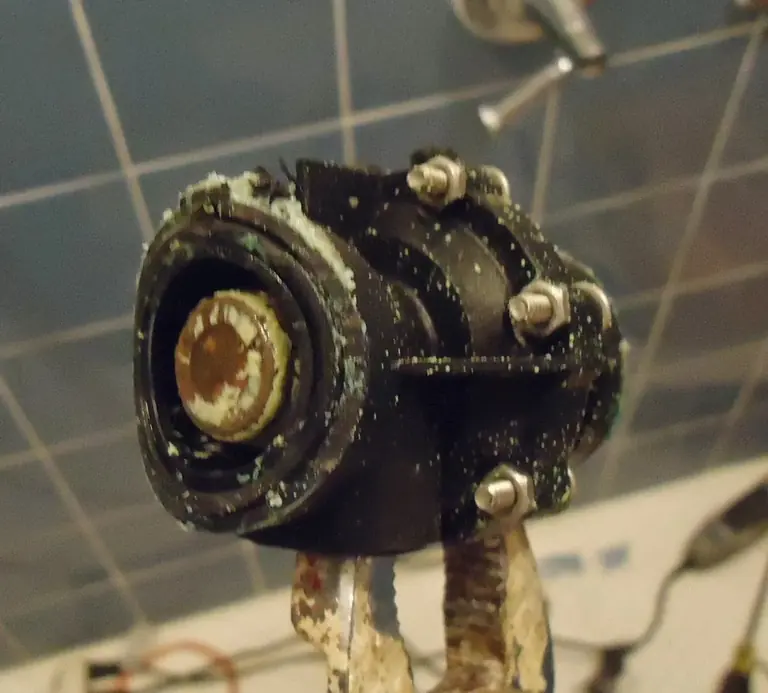
Unknown shower cartridge
Use markings, series clues, shape and close-up photos before buying a replacement.


All plumbing guides
Browse by fixture or plumbing problem.
Faucets & sinks
Drains & disposals
Toilets
Showers
Identify a part or check the fit
Start wide enough to show the fixture, then move closer to the problem area and any markings. Add a measurement only when fit or geometry depends on it.
-
1Show the whole fixture
Start wide enough to show whether this is a sink, tub, shower, valve, toilet, or drain location.
-
2Show the problem area
Move closer to the leaking connection, cartridge, valve opening, mounting holes, or visible backup point.
-
3Show markings or measurements
Include logos, stamped numbers, labels, end views, or a ruler when exact identity or geometry matters.
If fit depends on a measurement
Replacing a toilet? Measure the rough-in from the finished wall.
Use the finished wall as the reference and confirm the measurement before comparing exact toilet specifications. A photo can help show the layout, but the fit decision should not be based on a guessed distance.
How to measure toilet rough-inWhen to call a plumber
Some problems need more than a new part: a failed repair, hidden pipework, or several backed-up drains.

The repair has not stopped the problem.
Damage to the valve body, pipes you cannot reach, or a change the existing valve cannot support may require a plumber.
Several fixtures are backing up.
Multiple affected fixtures, sewage or backflow, floor-drain behavior, or repeated short-lived clearing can point away from a fixture-level tool.
Check for a larger drain problemA drain chemical was already used.
Prior chemical use changes what is safe to do next. Do not stack another chemical or create splash exposure just because the drain is still blocked.
What to do after a drain cleanerBefore the plumber comes.
Have the fixture details, access problems and any earlier work ready. In a quote, look for diagnosis, parts, access, labor and exclusions listed separately.